

How Does Traditional Essential Oils Supply Chain Work
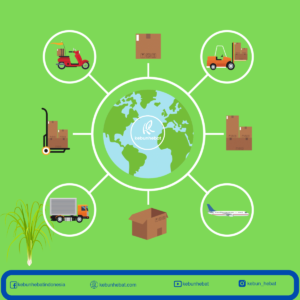
Essential Oils Supply Chain Starts From Farm
Essential oils supply chain starts from the farm where farmers growing essential oil plants, like Citronella, Coriander, Lavender and Patchouli. There are some essential oils plants that can grow wildly, such as Eucalyptus and Clove. Cultivated and wild essential oil plants are picked and produced to be essential oils in the farm.
Farmers Sell Essential Oil To Collectors
Then farmers sell the essential oils to collectors. The collectors usually have a good networking to farmers which the farmers put a trust to collectors. Before collecting essential oils from the farms, the collectors have been recognizing which farms that will harvest soon so they can send production planning to exporters or manufactures. Once the essential oils arrive at exporter/manufacture facilities they will be tested to determine its quality. Then if the quality passes buyer’s standard the collectors will receive money.
Collectors Sell Essential Oil To Buyers
After that, the essential oils will be sent to the broker traders for foreign market or fractionated at the local manufactures for domestic consumption. If the essential oils are exported, they may be sold to the ingredients producers before selling them to the end buyers. In this supply chain the end buyers are usually from flavour, fragrance and pharmacy industries.
Essential oil raw materials at least have three transit point before arrive at end users. This traditional supply chain, of course, increases essential oil’s price. Actually, this traditional essential oils supply chain work for small farm which they do not have capability to manage harvest. Farmers sell directly to collectors once they produce essential oils as long as they can earn profit.
Kebun hebat grows and produces citronella and patchouli oils in Indonesia, we sell them directly to buyers that make the price more affordable. Contact us for more info.
